
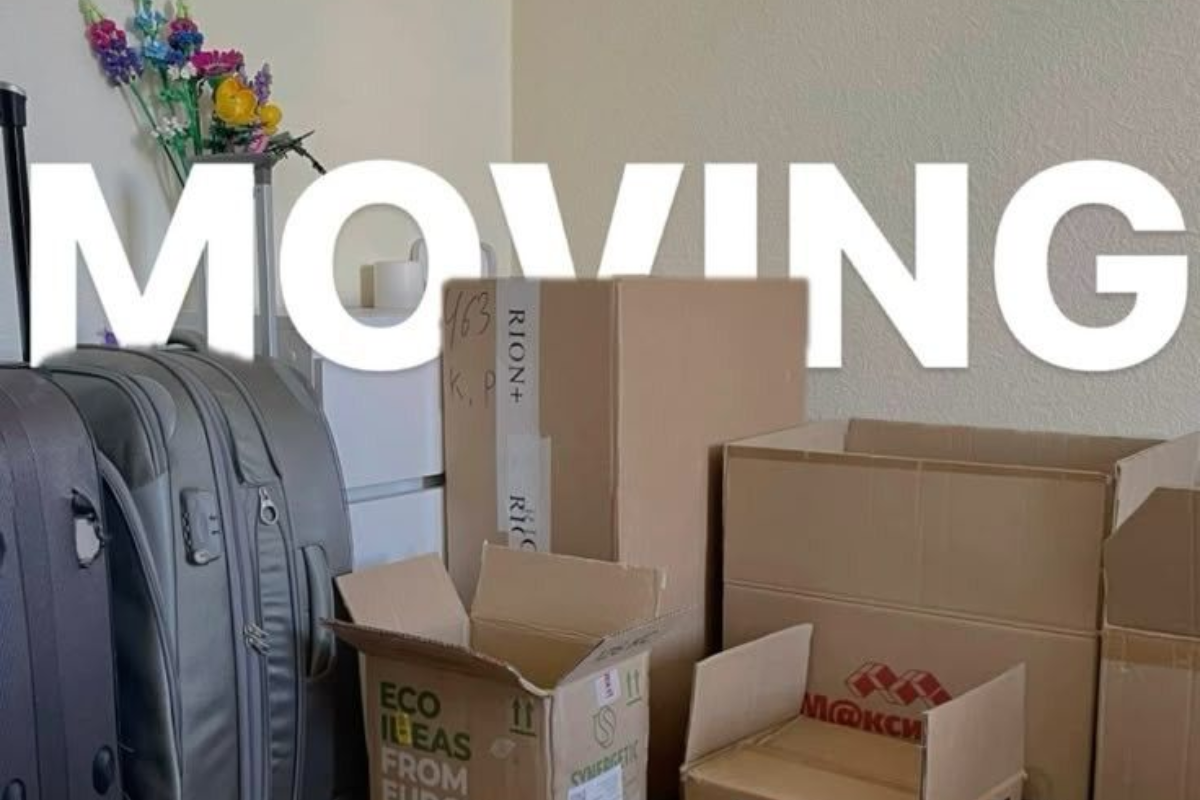
Moving into your first apartment is exciting, but an apartment checklist for first apartment can quickly turn into a giant list of things you feel like you have to buy. Between furniture, kitchen items, bathroom essentials, cleaning supplies, and all the little things you never thought about before, it can feel like you need to furnish your entire life overnight. But you really don’t. This guide is here to help you figure out what you actually need, what can wait, and what will make your apartment feel like home without spending a ton of money all at once. We’ll go room by room, starting with the things you need for move in day and then getting into the furniture, bedroom essentials, kitchen essentials, bathroom essentials, and little extras that make your space feel more like yours. And because your first apartment won’t look exactly like anyone else’s, I’m also creating a personalized checklist tool that lets you choose what applies to your space, lifestyle, and what you already own. So instead of staring at a huge generic essentials checklist wondering where to start, you can build a list that actually makes sense for you. The 10 Things You Don’t Want to Move In Without Before you start worrying about furniture and cute decor, there are a few things you really don’t want to be without on move in day. These aren’t necessarily the most exciting things you’ll buy, but trust me, you’ll notice when they’re missing. 1. Toilet Paper This one is obvious, but it’s also incredibly easy to forget. You don’t want to finish moving in and realize you have nothing to use when you need it. Keep a few rolls somewhere easy to reach. 2. Paper Towels Moving is messy. Between dusty surfaces, spills, and unpacking boxes, you’ll probably reach for paper towels more than you expect. 3. Cleaning Supplies Even if your apartment looks clean, you’ll probably want to wipe down a few things before you start unpacking. Having your basic cleaning supplies ready means you can clean as you go. 4. Shower Curtain If your bathroom doesn’t already have one, get a shower curtain before move in day. It keeps water from getting all over the floor and gives you a little extra privacy, even if you’re living alone. 5. Bedding After a long day of moving, the last thing you want is to search through boxes for your sheets. Have your sheets, pillows, and comforter ready so your bed can be set up first. 6. Towels At minimum, have a bath towel and hand towel ready. You don’t want your first shower in your new apartment to end with you wondering what you’re going to dry yourself with. 7. Dish Soap and Sponges Even if you’re not cooking yet, you’ll probably use a cup, plate, mug, or utensil. Dish soap and sponges let you clean things as you go instead of letting dishes pile up. 8. Basic Kitchen Items You don’t need a fully stocked kitchen immediately. Start with a few basics like a plate, bowl, cup, mug, utensils, a knife, and a cutting board. 9. Phone Charger & Extension Cord You’ll probably be moving furniture around and figuring out where everything goes. An extension cord can be surprisingly useful when your outlets aren’t exactly where you expected them to be. 10. Basic Toiletries Keep your toothbrush, toothpaste, soap, deodorant, skincare, and other everyday products somewhere easy to reach. Think of this like packing an overnight bag for yourself rather than unpacking your entire bathroom on day one. Pro tip: Put these items together in one box or bag labeled “OPEN FIRST.” That way, you’re not digging through ten boxes looking for toilet paper at the end of a long day. And remember, your checklist doesn’t have to look exactly like someone else’s. The personalized checklist tool will let you choose which of these essentials actually apply to you, so you can create a first-apartment list based on your space, what you already own, and what you still need. First Apartment Essentials: Room by Room Once you’ve handled your move-in-day basics, you can start thinking about what each room actually needs. And honestly, you don’t have to buy everything at once. Start with the things that make each room functional, then slowly add the pieces that make it feel like you. Living Room Essentials Your living room doesn’t need to be completely furnished on day one. Start with the pieces you’ll actually use: Don’t feel pressured to fill every empty corner. An empty wall is better than buying something you don’t actually like just because the space feels unfinished. Bedroom Essentials Your bedroom is one room I’d prioritize early because you need somewhere comfortable to sleep. Your bedroom essentials should make the room comfortable first. The cute bedding, decorative pillows, and little styling details can come later. Bathroom Essentials Bathrooms are one of those spaces where the little things matter. Having your bathroom essentials ready means you can actually use the bathroom comfortably from the moment you move in. Kitchen Essentials You don’t need every kitchen gadget you’ve ever seen on TikTok. Start with the kitchen essentials you’ll use regularly. You can always add more kitchen items once you figure out how you actually use your kitchen. Cleaning Essentials I would also give cleaning its own category instead of assuming you’ll remember everything while shopping. You don’t need a huge collection of cleaning products. A few versatile basics can get you through your first weeks while you figure out what your apartment actually needs. What to Buy First vs. What Can Wait One of the biggest mistakes you can make when moving into your first apartment is feeling like you have to buy everything immediately. You don’t. Instead, divide your essentials checklist into three simple categories: Buy Before Move In These are the things you’ll want the moment you get the keys: Buy During Your First Week Once you’re settled, you can start adding
How to Start Journaling (Even If You’ve Never Kept a Journal Before)
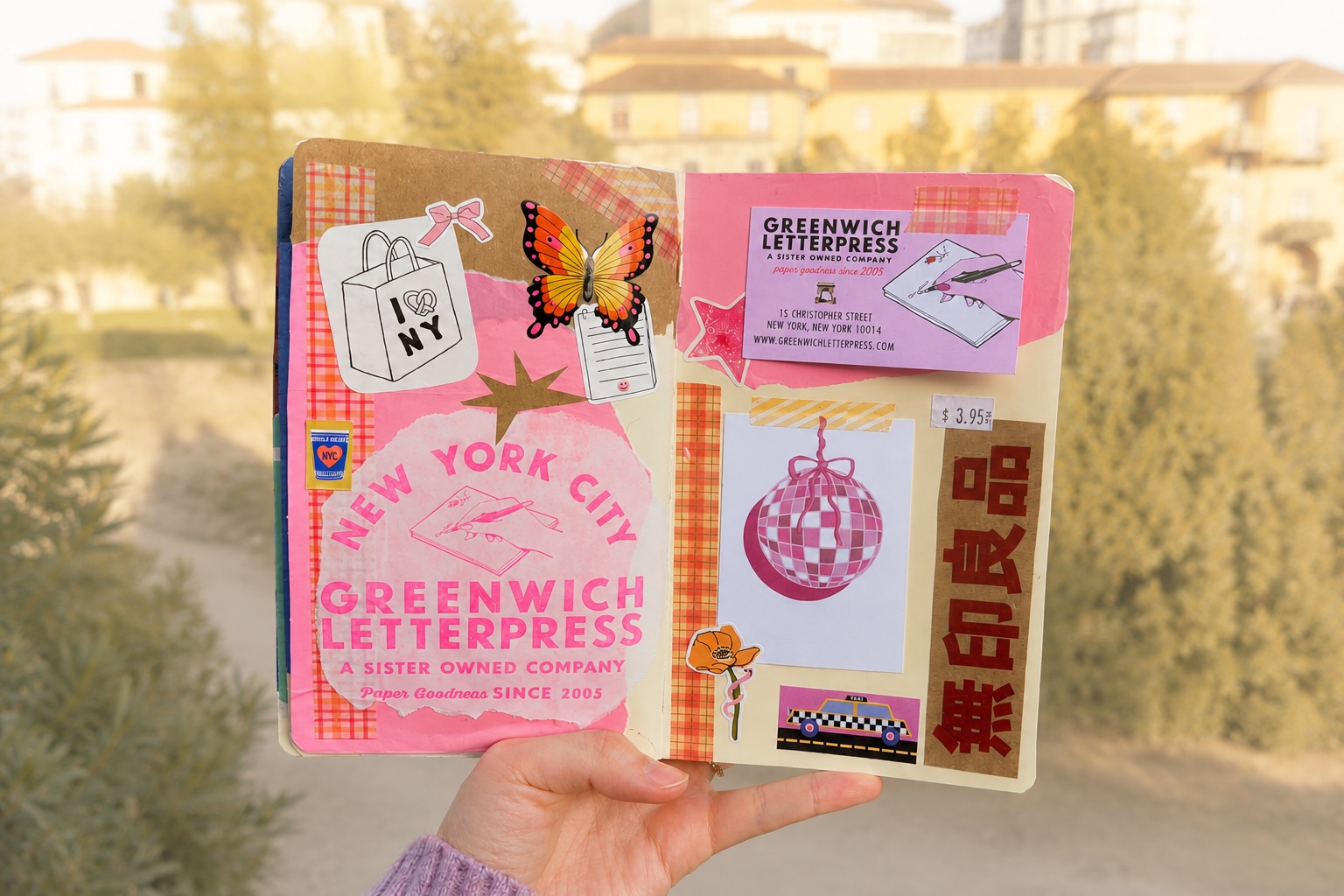
Let me start with a confession: I’ve probably started about 20 journals in my life. Some lasted months. Others lasted exactly three days before they ended up forgotten in a drawer somewhere. So, if you’re wondering how to start journaling but have absolutely no idea where to begin, you’re definitely not alone. The good news? There isn’t one “right” way to journal. You don’t have to write pages every morning, have perfect handwriting, or own a Pinterest-worthy notebook filled with aesthetic doodles. Journaling is simply a space that’s yours. It can be messy, honest, creative, emotional, or completely random—and that’s what makes it so special. Whether you’re hoping to improve your mental health, become more productive, practice self-reflection, organize your thoughts, or just pick up a fun new hobby, there’s a journaling style that’s perfect for you. In this guide, I’ll show you how to start journaling from scratch, choose the right type of journal, find the supplies you actually need, discover journal prompts, and build a journaling habit you’ll actually stick with. In this article 01 What Is Journaling? 02 Benefits of Journaling 03 Decide Why You Want to Start Journaling 04 Gather Your Journaling Supplies What Is Journaling? Journaling is simply the habit of writing down your thoughts, feelings, experiences, ideas, or goals in a notebook or digital journal. Think of it as a space where you can be completely yourself—no judgment, no grades, and definitely no pressure to make it sound perfect. For some people, journaling is a form of self-care that helps them process emotions and reduce stress. For others, it’s a creative outlet to collect memories, plan projects, or keep track of goals. The best part is that your journal can be whatever you need it to be. If you’re learning how to start journaling, remember that there’s no right or wrong way to fill a blank page. You can write a single sentence, make a list, doodle, paste photos, or write three pages about your day. Every journaling practice looks a little different, and that’s exactly how it should be. Benefits of Journaling If you’re still wondering whether journaling is worth trying, here are just a few of the benefits Helps clear your mind when you’re feeling overwhelmed. Encourages self-reflection and personal growth. Gives you a healthy outlet for your thoughts and emotions. Reduces stress and anxiety. Helps you keep track of your goals and habits. Boosts creativity and helps overcome writer’s block. Makes it easier to practice gratitude. Let’s you preserve special memories you’ll love looking back on. Improves mindfulness by helping you stay present. Creates a routine that’s entirely your own. 1. Decide Why You Want to Start Journaling Before you buy a notebook or start looking for journal prompts, ask yourself one simple question: Why do I want to start journaling? Your answer will help you choose the type of journal that’s right for you. Someone journaling to improve their mental health will probably need something very different from someone looking for a creative hobby. Here are a few popular types of journals to consider: Mental Health Journal If your goal is to process emotions, reduce stress, or simply get your thoughts out of your head, a regular notebook is all you need. Don’t worry about making it look pretty—just focus on writing honestly. Junk Journal If you love being creative, collecting little memories, or making aesthetic pages, a junk journal is a great choice. You can fill it with stickers, receipts, photos, magazine cutouts, tickets, and anything else that tells your story. Bullet Journal Perfect if you enjoy planning, organizing your life, tracking habits, or setting goals. It’s a great mix of productivity and creativity. Digital Journal Prefer typing over writing? A digital journal keeps everything in one place and is perfect if you’re always on your phone, tablet, or laptop. Gratitude Journal If you want to focus on the positive, this type of journal helps you appreciate the little things. Even writing down three things you’re grateful for each day can make a difference. Guided Journal Not sure what to write? A guided journal includes prompts on every page, making it much easier to build a journaling habit without staring at a blank page. Of course, these aren’t the only types of journals out there, but they’re some of the best options for beginners. Once you know your “why,” choosing everything else becomes so much easier. 2. Gather Your Journaling Supplies The good news? You don’t need to spend a fortune to start journaling. Most of my journaling supplies come from SHEIN and Temu, and they work perfectly. Start with the basics: A Journal The type of notebook you choose depends on how you plan to use it. Lined: Best for writing about your thoughts, feelings, and daily life. Blank: Great for sketching, junk journaling, and complete creative freedom. Dotted: Perfect for bullet journals, habit trackers, and layouts. Graph: Ideal if you like structure, planning, or making neat trackers. Lined Spiral Journal AMAZON Click here Leather Dot Grid Notebook Temu Click here Pens Keep it simple. Use whatever pen feels the most comfortable to write with. The easier it is to write, the easier it’ll be to stick with your journaling habit. Highlighters or Markers These are great for color-coding, decorating pages, or making important notes stand out—especially if you’re keeping a bullet journal or junk journal. Mr. Pen- Aesthetic Highlighters AMAZON Click here Fluorescent Markers Temu Click here Optional Supplies for Creative Journals If you’re creating a junk journal or love making aesthetic pages, you might also enjoy: Washi tape Sticker books Stamps Glue Sticky notes Scrapbook paper Printed photos Magazine cutouts 60 Rainbow Washi Tapes Temu Click here 50 Sheets Moment Sticker Collection Temu Click here Stripe Scrapbook Paper Temu Click here Tote Bag Temu Click here Remember, your journal doesn’t have to look like something from Pinterest to be meaningful. Start with what you have and add more supplies later if you decide journaling is
Travel Packing Checklist To Keep Your Getaway Stress-Free And Stylish
Traveling is exciting, but packing can quickly turn into a stress fest. She knows the feeling—standing in front of an open suitcase, unsure what to bring or leave behind. A solid travel packing checklist takes the guesswork out of the process and helps travelers pack smart, saving time and avoiding last-minute panic. What should go in a bag? Clothes, toiletries, electronics, and a few must-have extras all need to fit just right. Keeping it simple and organized is key, so they don’t end up lugging around too much or forgetting essentials when it counts the most. With a smart packing checklist, travelers can focus on the fun bits of their trip, not the stuff left behind or the chaos at the airport. This guide covers everything needed to pack like a pro—no stress, no overpacking, just smooth travel vibes. Downloadable Travel Packing Checklist She knows that packing can get messy fast. That’s why a downloadable travel packing checklist is a total lifesaver. It keeps everything neat, easy, and just a few clicks away. No last-minute scrambling for that charger or toothpaste! These checklists often come as printable PDFs or editable files. She can download it, print it out, and tick off items one by one. Seeing her progress in black and white makes packing feel less like a headache and more like a small win before the trip even begins. A typical checklist includes: Clothing essentials (think socks, underwear, and a jacket) Toiletries (toothbrush, travel-sized shampoo, sunscreen) Tech gear (phone charger, headphones, power bank) Travel documents (passport, tickets, reservation confirmations) Some lists even remind her about small but important extras, like medications, chargers for different devices, and a book to fly through. The best part? These checklists are organized by category to prevent overpacking and forgetting key items. She can customize it too. Maybe she’s headed to a beach, so swimsuits move to the top priority. Or a winter getaway that demands layering pieces. With a downloadable checklist, packing stays tailored and stress-free. On her phone or on paper, this simple tool helps her pack smarter. It turns overpacking, forgetfulness, and last-minute anxiety into a calm, satisfying start to the adventure. Travel Packing List — Up To 30 Essential Items Packing can feel like a rollercoaster, but sticking to a solid list helps cut through the chaos. Here’s a handy list of up to 30 essentials to keep your trip smooth and stylish. Clothing basics: 3-4 T-shirts or tops 2 pairs of pants or shorts 1 dress or skirt (because you never know) 1 light jacket or sweater Enough underwear and socks for your trip A swimsuit if you’re hitting the beach or pool Toiletries: Toothbrush and toothpaste Travel-sized shampoo and conditioner Deodorant Sunscreen Makeup basics (if they wear it) Hairbrush or comb Tech & essentials: Phone and charger Headphones Portable power bank Travel documents (passport, tickets, ID) Wallet with cards and some cash Other must-haves: Sunglasses Reusable water bottle Small first aid kit (band-aids, pain relievers) Travel-size laundry detergent for any emergency washes A tote or day bag for exploring Choosing versatile items that mix and match saves space and stress. This list keeps them ready for weekends, city breaks, or longer adventures without the drama of “Did I forget something important?” Conclusion — Stress-Free Travel Starts With A Checklist She knows the stress of last-minute packing all too well. But a solid checklist turns packing chaos into calm, setting the tone for a smooth trip. Using a checklist helps her remember essentials without overload. No more: “Did I pack my passport?” or “Where’s that charger?” It’s all there, checked off and ready to go. Here’s why a checklist is a travel game-changer: Saves Time: Quickly glance and pack instead of panicking. Prevents Forgetting: Important items like documents and meds won’t be left behind. Cuts Stress: She focuses on excitement, not scrambling. She layers her list by categories: Category Examples Travel Documents Passport, tickets, ID Clothing Versatile outfits, extras Health Medications, sanitizer Tech Chargers, headphones Money & Essentials Credit cards, cash Plus, packing smart is part of the fun. Rolling clothes, wearing bulky items on the plane, and adding a tuft of dryer sheets keep things neat and fresh. When she treats packing as the first step of the adventure, travel feels easier. Owning a checklist means owning the trip from the start—calm, confident, and ready for anything. Frequently Asked Questions Packing right means knowing exactly what to grab so your trip flows smoothly. From nailing the essentials to planning your wardrobe, each decision helps avoid last-minute stress and overpacking. Family trips and savvy globetrotting demand smart picks, while style lovers want to stay chic without the bulk. Here’s how to get all that just right. What essentials should I never forget for international jet-setting adventures? Passport and visa documents, always double-checked for expiration. Travel insurance info and emergency contacts. Plug adapters and chargers for your devices. A basic first-aid kit with meds you might need. Copies of important documents stored separately from the originals. How can I plan the perfect travel wardrobe for a week-long escapade? Choose a color palette for mix-and-match outfits. Pack versatile pieces like a little black dress or neutral tees. Include layers for changing climates, like a light jacket. Limit shoes to two pairs: one comfy for walking, one dressy. Don’t forget weather-specific gear, like a swimsuit or raincoat. What are the top must-haves for a family’s travel packing success? Extra snacks and reusable water bottles for the little ones. Entertainment like tablets, coloring books, or travel games. A compact stroller or carrier for younger kids. Spare clothes and wipes for quick clean-ups. Family health supplies, including child-friendly medications. Could you share the ultimate items for a travel packing list that screams savvy globetrotter? Lightweight backpack or carry-on with organized compartments. Refillable toiletry bottles to save space and reduce weight. Quick-dry travel towel and compact laundry detergent. Multi-purpose travel scarf or sarong. Portable power bank and noise-canceling headphones. What savvy secrets do style-conscious