Let me start with a confession: I’ve probably started about 20 journals in my life.
Some lasted months. Others lasted exactly three days before they ended up forgotten in a drawer somewhere.
So, if you’re wondering how to start journaling but have absolutely no idea where to begin, you’re definitely not alone.
The good news? There isn’t one “right” way to journal. You don’t have to write pages every morning, have perfect handwriting, or own a Pinterest-worthy notebook filled with aesthetic doodles. Journaling is simply a space that’s yours. It can be messy, honest, creative, emotional, or completely random—and that’s what makes it so special.
Whether you’re hoping to improve your mental health, become more productive, practice self-reflection, organize your thoughts, or just pick up a fun new hobby, there’s a journaling style that’s perfect for you.
In this guide, I’ll show you how to start journaling from scratch, choose the right type of journal, find the supplies you actually need, discover journal prompts, and build a journaling habit you’ll actually stick with.
In this article
What Is Journaling?
Journaling is simply the habit of writing down your thoughts, feelings, experiences, ideas, or goals in a notebook or digital journal. Think of it as a space where you can be completely yourself—no judgment, no grades, and definitely no pressure to make it sound perfect.
For some people, journaling is a form of self-care that helps them process emotions and reduce stress. For others, it’s a creative outlet to collect memories, plan projects, or keep track of goals. The best part is that your journal can be whatever you need it to be.
If you’re learning how to start journaling, remember that there’s no right or wrong way to fill a blank page. You can write a single sentence, make a list, doodle, paste photos, or write three pages about your day. Every journaling practice looks a little different, and that’s exactly how it should be.
Benefits of Journaling
If you’re still wondering whether journaling is worth trying, here are just a few of the benefits
- Helps clear your mind when you’re feeling overwhelmed.
- Encourages self-reflection and personal growth.
- Gives you a healthy outlet for your thoughts and emotions.
- Reduces stress and anxiety.
- Helps you keep track of your goals and habits.
- Boosts creativity and helps overcome writer’s block.
- Makes it easier to practice gratitude.
- Let’s you preserve special memories you’ll love looking back on.
- Improves mindfulness by helping you stay present.
- Creates a routine that’s entirely your own.
1. Decide Why You Want to Start Journaling
Before you buy a notebook or start looking for journal prompts, ask yourself one simple question:
Why do I want to start journaling?
Your answer will help you choose the type of journal that’s right for you. Someone journaling to improve their mental health will probably need something very different from someone looking for a creative hobby.
Here are a few popular types of journals to consider:
Mental Health Journal
If your goal is to process emotions, reduce stress, or simply get your thoughts out of your head, a regular notebook is all you need. Don’t worry about making it look pretty—just focus on writing honestly.
Junk Journal
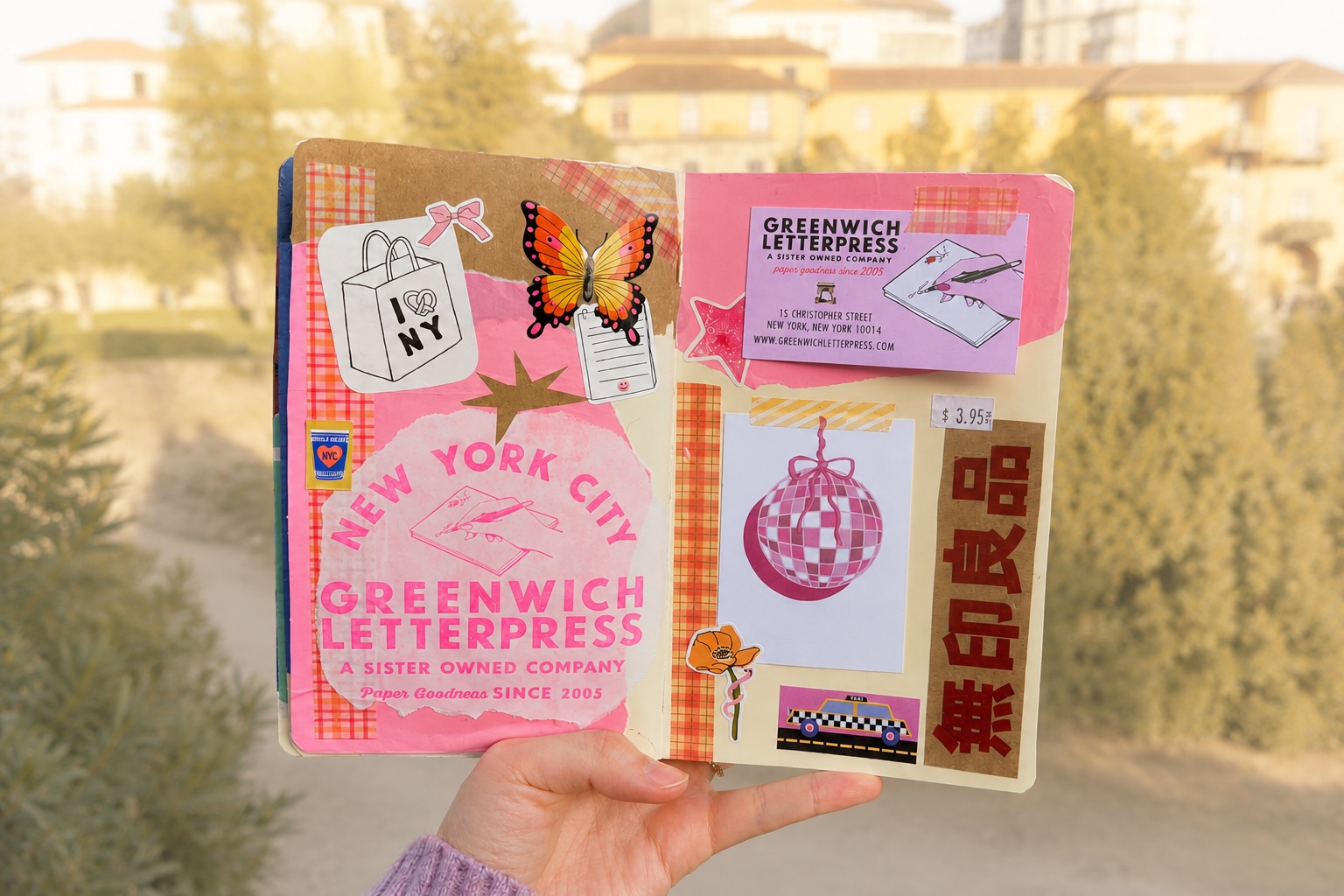
If you love being creative, collecting little memories, or making aesthetic pages, a junk journal is a great choice. You can fill it with stickers, receipts, photos, magazine cutouts, tickets, and anything else that tells your story.
Bullet Journal
Perfect if you enjoy planning, organizing your life, tracking habits, or setting goals. It’s a great mix of productivity and creativity.
Digital Journal
Prefer typing over writing? A digital journal keeps everything in one place and is perfect if you’re always on your phone, tablet, or laptop.
Gratitude Journal
If you want to focus on the positive, this type of journal helps you appreciate the little things. Even writing down three things you’re grateful for each day can make a difference.
Guided Journal
Not sure what to write? A guided journal includes prompts on every page, making it much easier to build a journaling habit without staring at a blank page.
Of course, these aren’t the only types of journals out there, but they’re some of the best options for beginners. Once you know your “why,” choosing everything else becomes so much easier.
2. Gather Your Journaling Supplies
The good news? You don’t need to spend a fortune to start journaling. Most of my journaling supplies come from SHEIN and Temu, and they work perfectly.
Start with the basics:
A Journal
The type of notebook you choose depends on how you plan to use it.
- Lined: Best for writing about your thoughts, feelings, and daily life.
- Blank: Great for sketching, junk journaling, and complete creative freedom.
- Dotted: Perfect for bullet journals, habit trackers, and layouts.
- Graph: Ideal if you like structure, planning, or making neat trackers.


Pens
Keep it simple. Use whatever pen feels the most comfortable to write with. The easier it is to write, the easier it’ll be to stick with your journaling habit.
Highlighters or Markers
These are great for color-coding, decorating pages, or making important notes stand out—especially if you’re keeping a bullet journal or junk journal.


Optional Supplies for Creative Journals
If you’re creating a junk journal or love making aesthetic pages, you might also enjoy:
- Washi tape
- Sticker books
- Stamps
- Glue
- Sticky notes
- Scrapbook paper
- Printed photos
- Magazine cutouts


Remember, your journal doesn’t have to look like something from Pinterest to be meaningful. Start with what you have and add more supplies later if you decide journaling is something you truly enjoy.
3. Start Writing with Journal Prompts
Now that you’ve chosen your journal and gathered your supplies, it’s time for the fun part, actually writing.
If you’ve ever opened a notebook only to immediately forget every thought you’ve ever had, don’t worry. It happens to everyone. Journal prompts are there to get the words flowing, so you never have to stare at a blank page wondering what to write.
Here are a few prompts based on the type of journal you chose.
Mental Health Journal Prompts
If you’re journaling to improve your mental health, don’t worry about writing perfectly. The goal isn’t to have all the answers, it’s simply to understand yourself a little better.
Try writing about one of these prompts:
- How am I really feeling today?
- What’s been on my mind lately?
- What made me smile today?
- What’s something that’s been causing me stress?
- What’s one thing I can let go of today?
- What do I need more of in my life right now?
- What am I grateful for today?
- What’s something I wish people understood about me?
- What would I tell my younger self?
- What negative thought can I challenge today?
- When do I feel the happiest?
- What’s one small win I’m proud of this week?
- What helps me feel calm when I’m overwhelmed?
- What’s something I need to forgive myself for?
- How do I want to take care of myself tomorrow?
Gratitude Journal Prompts
A gratitude journal helps you focus on the little things that often go unnoticed. You don’t have to write an essay, even a few sentences can completely shift your mindset.
Here are a few prompts to get you started:
- What are three things I’m grateful for today?
- Who made my day a little better, and why?
- What’s something I usually take for granted?
- What’s a recent memory that still makes me smile?
- What part of my morning did I enjoy the most?
- What’s one thing my body allowed me to do today?
- What’s a challenge that taught me something valuable?
- What’s one comfort I couldn’t imagine living without?
- What’s something beautiful I noticed today?
- What personal quality am I grateful for?
- What’s one opportunity I’m thankful to have?
- What’s something kind someone did for me recently?
- What’s one goal I’m grateful to be working toward?
- What’s something in my home that makes life easier?
- If today ended right now, what would I be most thankful for?
Junk Journal Ideas
Unlike other journals, a junk journal is less about writing and more about collecting memories you’ll want to look back on. Think of it as a scrapbook mixed with a diary.
One of my favorite ways to fill a junk journal is by creating a bucket list. Every time you cross something off, save little pieces of that memory and add them to your journal.
Here are a few things you can include:
- Concert, movie, or plane tickets
- Photos with friends and family
- Café receipts from cute coffee dates
- Pressed flowers or leaves
- Postcards
- Stickers and washi tape
- Magazine cutouts
- Birthday cards
- Travel souvenirs
- Candy wrappers from a fun day out
- Handwritten notes
- Packaging from your favorite beauty products
- Dried flowers
- Polaroids
- Mini bucket list checklists
There are no rules when it comes to junk journaling. If it reminds you of a happy memory, chances are it deserves a spot in your journal.
Bullet Journal Ideas
A bullet journal is all about staying organized while adding your own creative touch. Instead of using writing prompts, you’ll usually create pages that help you plan, track, and reflect on different parts of your life.
If you’re not sure where to start, here are a few beginner-friendly page ideas:
- Monthly calendar
- Weekly planner
- Daily to-do list
- Habit tracker
- Mood tracker
- Sleep tracker
- Water intake tracker
- Savings tracker
- Reading log
- Workout tracker
- Meal planner
- Budget tracker
- Bucket list
- Goal tracker
- Birthday and important dates page
If you’re looking for even more inspiration, Pinterest is full of beautiful bullet journal layouts for beginners. Don’t feel pressured to copy them perfectly—use them as inspiration and make your journal work for you.
Digital Journal Ideas
If you’d rather type than write by hand, a digital journal is a great option. It’s less messy, easy to organize, and you can journal anywhere using your phone, tablet, or laptop.
You can use these prompts to get started:
- What’s the highlight of my day?
- What’s one thing I learned today?
- How am I feeling right now, and why?
- What’s something I’m looking forward to this week?
- What’s one goal I’m currently working toward?
- What’s been taking up most of my thoughts lately?
- What’s something I’m proud of today?
- If today had a title, what would it be?
- What’s one thing I’d like to improve tomorrow?
- What made me laugh today?
- What’s a memory I don’t want to forget?
- What’s one challenge I handled well?
- What’s something I need to stop worrying about?
- What’s inspiring me lately?
- What are three things I want to remember about today?
Whether you prefer a notebook or a screen, the best journal is the one you’ll actually use. And that brings me to one of the biggest things that stops beginners before they even get started…
4. Choose a Time and Just Start
The hardest part of journaling is usually… starting.
Instead of waiting until you have the “perfect” notebook, the “perfect” pen, or the “perfect” mood, just begin. A few minutes is all it takes to build a journaling habit.
Here are a few tips to make it easier:
- Choose a time that works for you, whether it’s first thing in the morning or right before bed.
- Start with just five minutes. You don’t have to fill an entire page.
- Don’t force yourself to journal every day. Consistency matters more than perfection.
- Keep your journal somewhere you’ll see it, like your bedside table or desk, so it’s easy to remember.
The more you journal, the more natural it’ll feel. Before you know it, reaching for your journal will become part of your routine instead of something you have to remind yourself to do.
Common Mistakes Beginners Make
When you’re learning how to start journaling, it’s easy to think you’re doing something wrong. The truth is, there’s no such thing as the perfect journal. Here are a few mistakes I see beginners make all the time—and how to avoid them.
Trying to Write Perfectly
Your journal isn’t an English assignment. It doesn’t need perfect grammar, neat handwriting, or beautifully written paragraphs. Just write what’s on your mind.
Thinking You Have to Journal Every Day
Daily journaling works for some people, but it’s not a requirement. If journaling once or twice a week fits your lifestyle better, that’s perfectly okay.
Buying Expensive Supplies First
It’s tempting to buy every cute notebook and sticker you see, but you don’t need them to get started. Use what you already have, and upgrade later if you decide journaling is something you love.
Comparing Your Journal to Pinterest
Pinterest is amazing for inspiration, but remember that people usually post their most polished pages. Your journal is for you—not for social media.
Overthinking Every Page
Not every journal entry has to be deep or life-changing. Some days you might write three pages, and other days you might write one sentence. Both count.
Now that you know what to avoid, the only thing left to do is make journaling part of your routine.
Conclusion
Starting a journal doesn’t have to be complicated. You don’t need expensive supplies, perfect handwriting, or hours of free time. All you need is a place to start.
Whether you’re journaling for your mental health, setting goals, getting creative, or simply documenting your life, remember that your journal is for you. There are no rules, no grades, and no perfect way to do it.
So grab your notebook, write your first sentence, and see where it takes you. You might be surprised by how much you learn about yourself along the way.
And if you do decide to start your journaling journey, I’d love to see it! Tag us on Instagram @YOURLOCALITGIRL so we can cheer you on and celebrate your first page together.