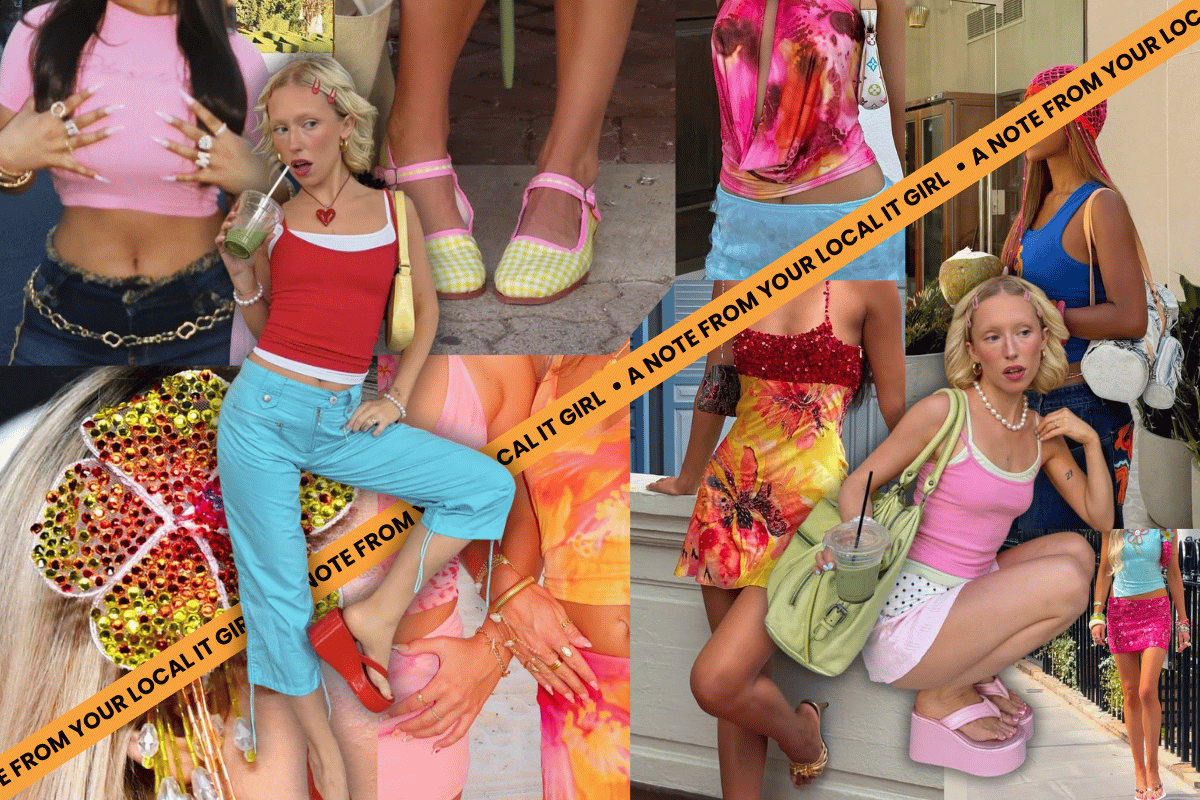
A colorful capsule wardrobe is proof that having a smaller closet doesn’t mean you have to give up the fun part of getting dressed. If you’ve ever looked at traditional capsule wardrobes and thought, “Okay, but where is the personality?” I get it. You don’t have to build your entire wardrobe around black, white, beige, and navy just because you want your clothes to work together. A colorful capsule wardrobe lets you keep the simplicity of a capsule wardrobe while adding color, personality, prints, and pieces that actually feel like you. In this guide, we’re going to talk about how to choose a capsule wardrobe color palette, which colors work well together, and how to build outfits that feel fun without making your closet feel chaotic. Because yes, your wardrobe can be practical and a little extra. What Is a Colorful Capsule Wardrobe? A colorful capsule wardrobe is a smaller collection of clothes built around colors that work well together, instead of relying mostly on traditional neutrals. The idea is still the same as a regular capsule wardrobe: choose pieces you can mix and match to create lots of outfits. The difference is that you’re using color as part of the fun. Your capsule might have bright pinks, rich reds, soft blues, greens, yellows, or even colorful prints alongside your basics. You can have a capsule wardrobe with color and still have plenty of outfit combinations without everything looking the same. The goal isn’t to make every piece colorful. It’s to create a wardrobe where your colors complement each other enough that getting dressed feels easy, but never boring. Why Build a Colorful Capsule Wardrobe? A capsule wardrobe doesn’t have to mean playing it safe. Adding color can actually make your smaller wardrobe feel more exciting and more personal. Here are a few reasons to try one: How to Choose Your Capsule Wardrobe Color Palette Choosing your colors is probably the most fun part of creating a colorful capsule wardrobe. Instead of starting with what you’re supposed to wear, start with the colors you genuinely love seeing in your closet. You want your capsule wardrobe color palette to feel intentional, but it doesn’t need to be complicated. 1. Start With Your Favorite Colors Think about the colors you naturally gravitate toward when you’re shopping or getting dressed. Maybe you love pink and red, you’re obsessed with shades of green, or you always find yourself reaching for blue. Those are good places to start. You don’t have to choose colors just because they’re considered “easy” capsule wardrobe colors. If you love the color, there’s probably a way to make it work. 2. Choose Your Base Colors Next, choose a few colors that will help connect everything together. These don’t have to be traditional neutrals like black and navy. Brown, cream, denim, gray, olive, burgundy, and even certain colors can work as your base. The goal is to have a few shades that you can easily wear with your brighter pieces. 3. Choose Your Accent Colors Now comes the fun part: your accent colors. These are the colors that give your wardrobe that little pop. You might choose pink, cherry red, cobalt blue, butter yellow, orange, purple, or whatever makes you excited to get dressed. You don’t need every color of the rainbow. Pick a few that look good together and feel like your personal style. 4. Add a Few Unexpected Colors Don’t be afraid to throw in a color that doesn’t seem like an obvious choice. Sometimes the combinations you wouldn’t normally put together end up being your favorite outfits. A little unexpected color can keep your wardrobe from feeling too predictable. 5. Don’t Forget Prints & Patterns Your color palette for a capsule wardrobe doesn’t have to apply only to solid-colored clothing. Prints can actually help bring your colors together. A floral skirt, striped sweater, plaid jacket, or fun printed dress can contain several of your capsule colors at once. Think of prints as a way to connect your colors rather than something that automatically makes your wardrobe harder to style. One thing that helped me understand color combinations was discovering the Japanese color dictionary on TikTok. It shows beautiful color combinations that you might not immediately think to put together, and I’ve found it really useful when I’m trying to figure out which shades actually look good together. If you’re someone who loves color but sometimes stands in front of your closet thinking “Do these colors even go together?”, this is definitely worth looking into. The book is called The Dictionary of Color Combinations, and it’s basically a little source of inspiration whenever you want to experiment with your wardrobe colors. Colorful Capsule Wardrobe Color Palette Ideas If you’re struggling to decide which colors to put together, starting with a few tried-and-true combinations can make things so much easier. Here are some color palette ideas for a capsule wardrobe that feel fun, modern, and easy to turn into actual outfits. Pink + Red + Brown Pink and red are such a fun combination, while brown helps ground everything and keeps the palette from feeling too bright. Think pink knitwear, cherry-red tops or skirts, chocolate brown bags, and brown shoes. Blue + Green + Cream This is such an easy combination if you love cooler, fresher colors. Try denim blue, soft or bright green, and cream throughout your wardrobe. A green cardigan with jeans and a cream bag can be just as easy as a traditional neutral outfit. Orange + Chocolate Brown + Denim For something warmer, pair orange with chocolate brown and your favorite denim. A burnt orange sweater with dark jeans and a brown shoulder bag is an easy everyday combination, while a brighter orange top can make the same palette feel more playful. Purple + Burgundy + Pink If you want something more feminine and a little dramatic, try different shades of purple, burgundy, and pink. You can mix lighter and darker versions of the colors so
25 Hobbies for Busy Women Who Don’t Have Much Free Time
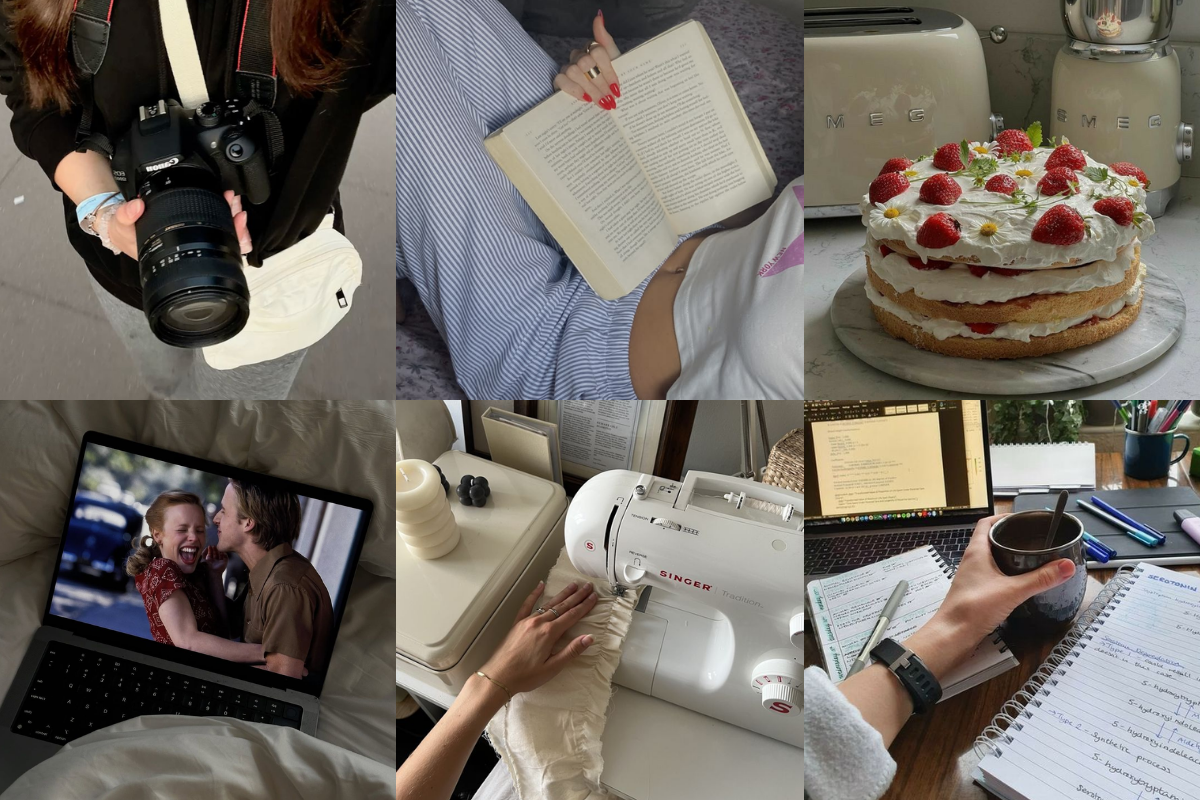
Finding hobbies for busy women can feel almost impossible when your schedule is already packed. Between work, responsibilities, and everything else life throws at you, it can be easy to put hobbies at the very bottom of your list. But having something that’s just for you doesn’t have to mean spending three hours on it every weekend. I’ve put together a mix of quick hobbies, creative hobbies, relaxing hobbies, and a few that can keep your mind busy when you naturally like having something to do. The goal isn’t to add another thing to your schedule. It’s to find something you actually enjoy making time for. Quick Hobbies for Busy Women If you barely have an hour to yourself, I wouldn’t choose a hobby that needs a huge setup every time you want to do it. These quick hobbies are perfect for those little pockets of time when you have 10, 20, or 30 minutes to yourself. 1. Reading You don’t have to finish a whole chapter every night. A few pages of a good book before bed can be enough to make reading feel like a hobby instead of another thing you have to accomplish. 2. Coloring Adult coloring books are an easy option when you want something relaxing without much preparation. Just pick up your pencils or markers and start coloring whenever you have a few minutes. 3. Journaling Journaling is one of those hobbies you can make as short or as long as you want. Write a page, jot down a few thoughts, or use a journal prompt when you need somewhere to put your thoughts. 4. Puzzling You don’t have to finish an entire puzzle in one sitting. Keep a puzzle somewhere you can easily reach and add a few pieces whenever you have a little free time. 5. Listening to Music Sometimes a hobby can be as simple as intentionally sitting down and listening to music. Put your phone away, choose an album or playlist, and actually listen. 6. Photography You don’t need a fancy camera for this one. Take your phone with you and look for interesting buildings, flowers, outfits, food, or little details you normally wouldn’t notice. 7. Watching Movies After a busy day, sometimes you genuinely don’t want to learn, create, or accomplish anything. You just want to relax. You can keep a list of movies you want to watch, rate them afterward, or make it a little social by watching them with a friend or partner. It turns something you already enjoy into a hobby you can actually keep track of. Creative Hobbies for Women Who Like to Make Things If you like having something to show for your free time, these creative hobbies for women are a fun way to spend those little pockets of your day. The nice thing is that you don’t have to finish a project in one sitting. You can work on something for 20 minutes and simply come back to it later. 8. Drawing & Doodling Drawing is an easy hobby to pick up whenever you have a few free minutes. You can doodle in a notebook, follow a Pinterest tutorial, or simply draw whatever comes to mind. 9. Painting Painting can be as simple as sitting down with a small canvas and creating something for fun. You don’t need to spend hours on a masterpiece, sometimes a tiny painting is all you need for a creative break. 10. Crocheting Crocheting is great if you enjoy hobbies where your hands stay busy. Once you learn the basics, you can work on a project little by little while watching a show or listening to music. 11. Embroidery Embroidery is another low-maintenance hobby that you can pick up whenever you have time. A small hoop and some thread are enough to get started, and you can slowly build more detailed designs as you get better. 12. Baking Baking is a little more time-consuming, but it’s worth including if you have a free afternoon. Try making cookies, muffins, or a cake you’ve been wanting to learn. And you get to eat your hobby afterward, which is always a bonus. Hobbies for Women Who Like to Keep Their Minds Busy Some of us actually like having something to think about. If your mind is always jumping from one idea to another, a quiet hobby might leave you feeling even more restless. These hobbies for working women give you something interesting to learn, explore, or practice, so you can stay mentally engaged without it feeling like work. 13. Researching Random Topics This is such an underrated hobby. Pick a topic that catches your attention and let yourself go down the rabbit hole. I’ve recently gotten interested in researching old folktales and legends from around the world and comparing how different cultures tell similar stories. It’s fascinating seeing the little similarities and differences. You could research anything from ancient civilizations to fashion history, psychology, mythology, or a completely random question you’ve had sitting in your head. 14. Learning a New Language Learning a language is a pretty standard hobby, but there’s a reason so many people enjoy it. There’s always something new to learn, so it works especially well if you naturally like keeping your mind busy. I started one-on-one language lessons through Preply, and I love that you can find tutors at different price points. You can also practice between lessons by watching videos or movies in the language you’re learning. I’ve also been using Language Reactor with YouTube videos and movies, which gives me something to do even when I don’t have time for a full study session. 15. Learning to Play an Instrument If you want to keep both your mind and your hands busy, learning an instrument is a great choice. You can practice for 15 minutes when you have time or spend a whole afternoon learning a song. You don’t have to rush through it either, slowly getting better is part of the fun. 16.
100 Journal Prompts for Anxious Attachment When You Need to Feel More Secure
As someone who has an anxious attachment style myself, I’ve spent almost two months journaling through my own thoughts, feelings, and relationship experiences. I’ve put together the journal prompts for anxious attachment that have brought me comfort, helped me understand myself a little better, and a few that I hope to use as I continue healing. If you’re also trying to understand your attachment patterns, start journaling with these prompts as a safe place to slow down, be honest with yourself, and explore what’s really going on underneath the anxiety. What Is Anxious Attachment? Anxious attachment is an attachment style where you may strongly desire closeness and connection but also worry about losing it. You might find yourself overthinking someone’s texts, needing reassurance, or feeling especially anxious when you sense someone pulling away. These reactions can make relationships feel emotionally exhausting, even when nothing is actually wrong. Some common signs of an anxious attachment style include: Overthinking changes in someone’s behavior, like slower replies or less communication. Needing frequent reassurance that someone still loves, wants, or cares about you. Fear of rejection or abandonment, especially when someone becomes distant. Struggling with uncertainty and feeling anxious when you don’t know where you stand. Putting someone else’s needs before your own because you’re afraid that speaking up could push them away. Having an anxious attachment style doesn’t mean there’s something wrong with you. It simply means there are certain patterns worth understanding, and journaling can be a powerful tool for doing exactly that. How Can Journaling Help Anxious Attachment? Journaling gives you a place to slow down when your mind is racing and actually look at what’s happening underneath the anxiety. When you write things out, you can start noticing your anxious attachment patterns instead of automatically reacting to them. For example, you might realize that a delayed text makes you feel rejected even though you don’t actually have evidence that you’ve been rejected. Over time, journaling can help you: Recognize what triggers you. Understand your emotions and physical sensations. Practice emotional regulation. Separate your fears from what is actually happening. Explore your relationships more honestly. Learn how to set boundaries without feeling guilty. Build a healthier attachment style. These journaling prompts for anxious attachment aren’t meant to make you judge yourself or “fix” every anxious reaction. They’re here to help you understand yourself with a little more compassion. You don’t have to stop feeling anxious before you can start feeling safe. You can learn to sit with the feeling without letting it make every decision for you. And that’s where we’re going to start. 1. Understanding Your Anxious Patterns — Prompts 1–25 Before we work on changing our reactions, I think it’s important to understand them first. Sometimes we know we’re feeling anxious, but we don’t really know what triggered the anxiety or what we’re afraid is going to happen. These journal prompts for anxious attachment are meant to help you slow down and look a little deeper. You don’t have to answer all 25 at once. Pick the ones that immediately make you think, “Hmm… I need to sit with that.” Prompts What usually makes me feel anxious in a relationship? What am I afraid will happen when someone becomes distant? When someone doesn’t respond to me, what story do I immediately tell myself? What does being ignored mean to me emotionally? What does being chosen mean to me? Why do I think being chosen by someone would make me feel more valuable? What am I afraid it says about me when someone doesn’t choose me? When I feel rejected, what do I believe about myself? What kinds of reassurance do I usually seek? How long does reassurance usually make me feel better? What happens when reassurance wears off? Do I confuse someone’s availability with their love for me? Do I interpret silence as rejection? Why? What situations make me feel like I have to “fix” the relationship? What do I do when I sense someone pulling away? Do I pursue people more when they withdraw? What am I hoping will happen? What does chasing connection protect me from feeling? What am I afraid would happen if I stopped reaching out? When have I ignored my own discomfort because I was afraid of losing someone? What relationship behaviors make me abandon my own needs? Do I tend to focus more on someone’s potential than their actual behavior? What signs have I overlooked because I wanted a relationship to work? What does uncertainty in a relationship feel like in my body? When I’m anxious, what do I want another person to do for me? What would I want to learn about myself if I stopped judging my anxious reactions? 2. Self-Worth, Rejection & Emotional Independence — Prompts 26–50 Once you start recognizing your anxious attachment patterns, you may notice that some of them are connected to how you see yourself. For me, this is where journaling can get really honest. Sometimes the fear isn’t only “What if they leave?” It’s “What will their leaving mean about me?” These journaling prompts for anxious attachment are here to help you separate your self-worth from someone else’s attention, approval, or decision to stay. Prompts What makes me feel valuable outside of romantic relationships? Who am I when nobody is choosing me romantically? What qualities do I have that have nothing to do with being someone’s partner? What does “I’m not enough” mean to me? Where did I learn that someone’s rejection says something about my worth? What evidence do I have that contradicts the belief that I’m unworthy? What does rejection actually tell me about a relationship? What does rejection not tell me about myself? What do I wish someone else could reassure me about? How can I begin giving myself some of that reassurance? What emotions do I struggle to sit with alone? What do I usually do when loneliness becomes uncomfortable? What would healthy self-soothing look like for me? How can
How to Build a Deep Autumn Capsule Wardrobe
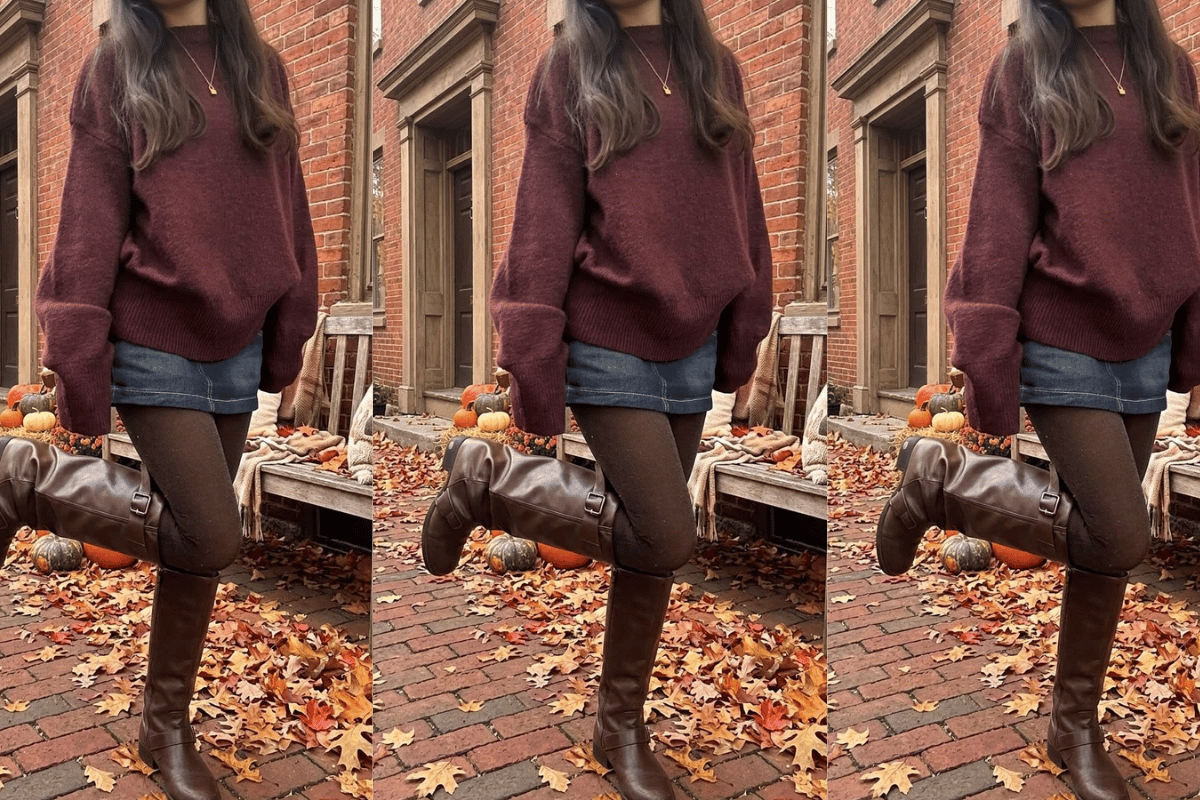
If you’ve ever looked at your closet and thought, “I know these colors look good on me, but I don’t know how to put them all together,” this is for you. Building a deep autumn capsule wardrobe is about more than choosing a bunch of brown and orange clothes. It’s about creating a wardrobe where your colors, pieces, and personal style actually work together. In this post, we’re going to break down the Deep Autumn palette, figure out which colors and patterns work best for you, and then use them to build a capsule wardrobe you can actually wear. We’ll also get into modern deep autumn outfits, so you can see exactly how to turn all those beautiful colors into outfits that feel current and like you. What Is a Deep Autumn Color Palette? Deep Autumn is one of the warm seasonal palettes, known for rich, earthy colors with plenty of depth. The palette sits between warm and deep, so the colors tend to have a golden or warm quality while still being darker and more saturated. Think chocolate brown, olive, rust, deep burgundy, forest green, and warm cream. These colors work together because they have a similar level of warmth and depth, making it easier to create a cohesive wardrobe without everything looking too bright or too muted. What Does Deep Autumn Look Like? Now that we know what the palette is, let’s see what the people who typically fall into this season look like. Skin Deep Autumn skin tones can range from fair to deep, but they usually have warm or neutral-warm undertones. Golden, peachy, olive, or warm beige undertones are common. Hair Hair is usually naturally deep and rich, such as: Dark brown Chocolate brown Espresso Deep auburn Warm black Eyes The eyes can range from deep brown and hazel to warm green or amber. Rich, warm-looking shades tend to stand out beautifully against this coloring. Contrast Deep Autumn usually has medium to high contrast between the skin, hair, and eyes. The overall appearance tends to have noticeable depth rather than looking soft or muted. Of course, these are general characteristics, not strict rules. Your coloring can vary, which is why a proper color analysis can be helpful if you’re unsure where you fit. Deep Autumn vs. Deep Winter Deep Autumn and Deep Winter can look similar because both palettes are deep and high-contrast, but the biggest difference is temperature. Deep Autumn: Warm, rich, earthy shades like chocolate brown, rust, olive, burnt orange, and warm burgundy. Deep Winter: Cool, intense shades like black, sapphire blue, emerald, cool burgundy, and crisp white. If warm colors make your features look brighter and more balanced, Deep Autumn may be a better fit. If you look better in cool, high-contrast shades, you may lean toward Deep Winter. The difference can be subtle, so this is another situation where color analysis can be helpful. The Deep Autumn Color Palette Now that we’ve covered the basics, let’s get into the colors you’ll actually want to build your capsule wardrobe around. Deep Autumn Neutrals Your neutrals are going to do most of the work in your capsule wardrobe, so choose shades that are easy to mix and match. Chocolate brown — warm and rich without being too harsh. Espresso — a deeper alternative to black that keeps your outfits warm. Warm navy — gives you the depth of navy without feeling too cool. Olive — earthy, versatile, and perfect for everyday deep autumn clothes. Camel — adds warmth while still working as a neutral. Warm cream — softer than bright white and much more harmonious with the palette. These shades make a great foundation because you can wear them together or use them as a backdrop for your richer colors. Best Deep Autumn Colors This is where you can bring a little more personality into your wardrobe. Rust Burnt orange Terracotta Mustard Forest green Moss green Warm burgundy Deep teal Warm plum These colors work because they have the warmth and depth that Deep Autumn features tend to complement beautifully. You don’t have to wear them all at once, either. A rust sweater with espresso trousers or a forest green top with dark denim is enough to create a gorgeous Deep Autumn outfit. Colors to Avoid Now that you know your best colors, let’s look at some of the shades that may work against them. Very cool, icy, or extremely bright colors can sometimes make warm Deep Autumn coloring look dull, washed out, or disconnected from the rest of the outfit. Some examples include: Icy blue Cool lavender Neon pink Bright white Cool gray Pastel pink Blue-based red This doesn’t mean you can never wear these colors. Your personal style still matters more than a color chart. But if you’re trying to create a wardrobe that naturally works with your features, your warmer, deeper shades are usually the better starting point. Best Deep Autumn Color Combinations Once you have your colors, mixing them becomes much easier. Try combinations like: Chocolate brown + rust Espresso + warm cream Olive + camel Forest green + burgundy Rust + cream Mustard + chocolate brown Deep teal + camel Burgundy + warm beige You don’t need every outfit to be colorful. Start with a neutral foundation and add one or two of your richer Deep Autumn colors. Patterns & Prints for Deep Autumn Deep Autumn looks especially good in warm, rich, slightly earthy patterns that don’t overpower the natural depth of the palette. Try: Plaid Tortoiseshell Animal prints Paisley Floral prints in warm tones Stripes in warm neutrals Look for patterns that combine colors already found in your palette. A brown and cream plaid or an olive and rust floral will usually blend into your wardrobe much more easily than a cool, pastel print. How to Build Your Deep Autumn Capsule Wardrobe Now that we have the colors down, let’s actually build the wardrobe. For this capsule, I want to move away from the idea that Deep
How to Start Journaling (Even If You’ve Never Kept a Journal Before)
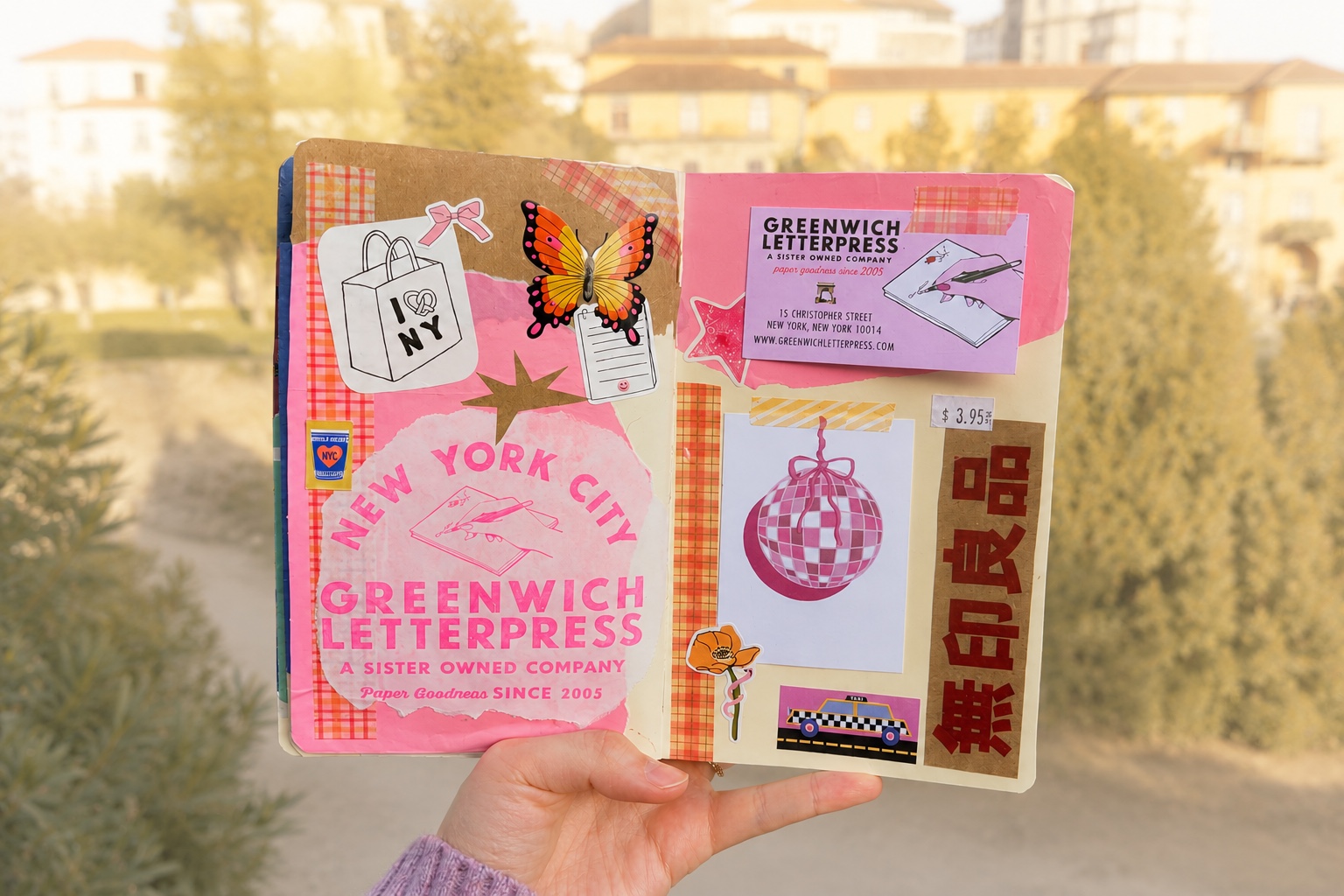
Let me start with a confession: I’ve probably started about 20 journals in my life. Some lasted months. Others lasted exactly three days before they ended up forgotten in a drawer somewhere. So, if you’re wondering how to start journaling but have absolutely no idea where to begin, you’re definitely not alone. The good news? There isn’t one “right” way to journal. You don’t have to write pages every morning, have perfect handwriting, or own a Pinterest-worthy notebook filled with aesthetic doodles. Journaling is simply a space that’s yours. It can be messy, honest, creative, emotional, or completely random—and that’s what makes it so special. Whether you’re hoping to improve your mental health, become more productive, practice self-reflection, organize your thoughts, or just pick up a fun new hobby, there’s a journaling style that’s perfect for you. In this guide, I’ll show you how to start journaling from scratch, choose the right type of journal, find the supplies you actually need, discover journal prompts, and build a journaling habit you’ll actually stick with. In this article 01 What Is Journaling? 02 Benefits of Journaling 03 Decide Why You Want to Start Journaling 04 Gather Your Journaling Supplies What Is Journaling? Journaling is simply the habit of writing down your thoughts, feelings, experiences, ideas, or goals in a notebook or digital journal. Think of it as a space where you can be completely yourself—no judgment, no grades, and definitely no pressure to make it sound perfect. For some people, journaling is a form of self-care that helps them process emotions and reduce stress. For others, it’s a creative outlet to collect memories, plan projects, or keep track of goals. The best part is that your journal can be whatever you need it to be. If you’re learning how to start journaling, remember that there’s no right or wrong way to fill a blank page. You can write a single sentence, make a list, doodle, paste photos, or write three pages about your day. Every journaling practice looks a little different, and that’s exactly how it should be. Benefits of Journaling If you’re still wondering whether journaling is worth trying, here are just a few of the benefits Helps clear your mind when you’re feeling overwhelmed. Encourages self-reflection and personal growth. Gives you a healthy outlet for your thoughts and emotions. Reduces stress and anxiety. Helps you keep track of your goals and habits. Boosts creativity and helps overcome writer’s block. Makes it easier to practice gratitude. Let’s you preserve special memories you’ll love looking back on. Improves mindfulness by helping you stay present. Creates a routine that’s entirely your own. 1. Decide Why You Want to Start Journaling Before you buy a notebook or start looking for journal prompts, ask yourself one simple question: Why do I want to start journaling? Your answer will help you choose the type of journal that’s right for you. Someone journaling to improve their mental health will probably need something very different from someone looking for a creative hobby. Here are a few popular types of journals to consider: Mental Health Journal If your goal is to process emotions, reduce stress, or simply get your thoughts out of your head, a regular notebook is all you need. Don’t worry about making it look pretty—just focus on writing honestly. Junk Journal If you love being creative, collecting little memories, or making aesthetic pages, a junk journal is a great choice. You can fill it with stickers, receipts, photos, magazine cutouts, tickets, and anything else that tells your story. Bullet Journal Perfect if you enjoy planning, organizing your life, tracking habits, or setting goals. It’s a great mix of productivity and creativity. Digital Journal Prefer typing over writing? A digital journal keeps everything in one place and is perfect if you’re always on your phone, tablet, or laptop. Gratitude Journal If you want to focus on the positive, this type of journal helps you appreciate the little things. Even writing down three things you’re grateful for each day can make a difference. Guided Journal Not sure what to write? A guided journal includes prompts on every page, making it much easier to build a journaling habit without staring at a blank page. Of course, these aren’t the only types of journals out there, but they’re some of the best options for beginners. Once you know your “why,” choosing everything else becomes so much easier. 2. Gather Your Journaling Supplies The good news? You don’t need to spend a fortune to start journaling. Most of my journaling supplies come from SHEIN and Temu, and they work perfectly. Start with the basics: A Journal The type of notebook you choose depends on how you plan to use it. Lined: Best for writing about your thoughts, feelings, and daily life. Blank: Great for sketching, junk journaling, and complete creative freedom. Dotted: Perfect for bullet journals, habit trackers, and layouts. Graph: Ideal if you like structure, planning, or making neat trackers. Lined Spiral Journal AMAZON Click here Leather Dot Grid Notebook Temu Click here Pens Keep it simple. Use whatever pen feels the most comfortable to write with. The easier it is to write, the easier it’ll be to stick with your journaling habit. Highlighters or Markers These are great for color-coding, decorating pages, or making important notes stand out—especially if you’re keeping a bullet journal or junk journal. Mr. Pen- Aesthetic Highlighters AMAZON Click here Fluorescent Markers Temu Click here Optional Supplies for Creative Journals If you’re creating a junk journal or love making aesthetic pages, you might also enjoy: Washi tape Sticker books Stamps Glue Sticky notes Scrapbook paper Printed photos Magazine cutouts 60 Rainbow Washi Tapes Temu Click here 50 Sheets Moment Sticker Collection Temu Click here Stripe Scrapbook Paper Temu Click here Tote Bag Temu Click here Remember, your journal doesn’t have to look like something from Pinterest to be meaningful. Start with what you have and add more supplies later if you decide journaling is
Everything you Need for your Travel Capsule Wardrobe
A travel capsule wardrobe can make packing so much easier, especially if you’re tired of arriving at your destination with a suitcase full of clothes and still feeling like you have nothing to wear. I’ve learned that when I travel, I don’t need more clothes, I need the right clothes. Pieces that mix and match, work for multiple occasions, and still make me feel confident when it’s time to take photos. The best travel outfits aren’t necessarily the trendiest ones. They’re the ones you’ll actually want to wear again and again throughout your trip. Whether you’re planning a weekend getaway, a beach vacation, or a longer adventure, putting together a travel wardrobe ahead of time can save you space, time, and a lot of outfit stress. In this guide, you and I are going to cover: Because packing light doesn’t mean sacrificing style. What Is a Travel Capsule Wardrobe? A travel capsule wardrobe is much like a standard capsule wardrobe, but it’s designed specifically for traveling. A travel capsule wardrobe is a small collection of clothing, shoes, and accessories that can be mixed and matched to create multiple outfits while traveling. Instead of packing for every possible scenario, you pack pieces that work together. The goal is simple: less packing, more outfit options, and a suitcase that isn’t bursting at the seams. Travel Capsule Wardrobe Essentials Now that you know what a travel capsule wardrobe is, let’s talk about what actually goes in it. The exact pieces will vary depending on where you’re going, but I’ve found that the best travel wardrobes are built around versatile basics and a few fun pieces that reflect your personal style. Tops When it comes to tops, I like to pack pieces that can easily be dressed up or down. A good rule of thumb is to choose tops that work with at least three different bottoms. Bottoms Your bottoms should be comfortable enough for exploring but cute enough for photos. The more tops and bottoms that work together, the fewer clothes you’ll need to pack. Dresses I always like bringing a few dresses because they’re basically a complete outfit in one piece. They’re perfect for days when you don’t feel like putting together an outfit. Layers Even warm destinations can get chilly at night. A good layer can completely change the look of an outfit while keeping your suitcase relatively light. Shoes Shoes take up the most space, so choose wisely. If a pair of shoes only works with one outfit, it probably doesn’t need to come. Bags You don’t need a different bag for every occasion. Accessories Accessories take up very little space but can completely change an outfit. The right accessories can make the same outfit feel completely different from one day to the next. How to Choose a Travel Capsule Wardrobe Color Palette Choosing a color palette makes building a travel capsule wardrobe so much easier. When most of your pieces coordinate, you can create more outfits with fewer clothes. I like to start with 2–3 neutral colors, such as: Then add 1–2 accent colors that fit your personal style. The goal isn’t to make everything match perfectly. It’s to make everything work together. It’s to make everything work together. Don’t be afraid to work in bold, vibrant colors, either. A colorful capsule wardrobe can be just as versatile while feeling much more unique and personal. If you still struggle with color combinations, one resource that has helped me tremendously is The Dictionary of Color, a Japanese color reference book. It’s filled with beautiful color pairings and has given me so many ideas for outfits over the years. Whenever I’m unsure whether certain colors will work together, I’ll flip through it for inspiration. And if you’re shopping for your travel wardrobe, choosing a color palette before you buy anything can help prevent those random purchases that look cute in the store but don’t match anything else in your suitcase. Best Fabrics for a Travel Capsule Wardrobe Now that you’ve chosen your color palette, let’s talk about fabrics. Because a cute outfit isn’t much use if you’re uncomfortable wearing it all day. When building a travel capsule wardrobe, I like to focus on lightweight, breathable fabrics that are easy to wear and easy to pack. Some of my favorites are: These fabrics tend to be comfortable for long travel days and work well in most climates. If you’re traveling somewhere warm, you’ll probably reach for linen and cotton the most. If you’re visiting somewhere cooler, lightweight knits are great for layering. The best travel clothes are the ones you’ll actually want to wear from morning to night. That’s why I always prioritize comfort just as much as style when putting together a travel wardrobe. How to Mix and Match Travel Outfits One of the biggest benefits of a travel capsule wardrobe is that you can create multiple outfits from a small number of pieces. The easiest way to do that is by making sure every item works with several others in your suitcase. You can also change things up depending on the season and your color palette. For example, if you suit deeper, richer colors, you might build your travel wardrobe around a Deep Winter capsule wardrobe for winter trips, while a Deep Autumn capsule wardrobe can work beautifully for fall travel. For example: If a piece only works with one outfit, it’s probably not earning its place in your suitcase. The goal isn’t to pack more options. The goal is to create more outfits with fewer pieces. The Travel Outfit Formula One of the easiest ways to build more outfits from fewer clothes is to follow a simple outfit formula. Instead of treating every outfit as a completely separate look, think about each outfit as a combination of a few key pieces that can easily be switched around. A simple formula to start with is: This gives you a complete outfit without needing to pack a huge number of
How to Style Oversized Blazers: 15 Chic Outfit Ideas
You’ve probably seen oversized blazers everywhere lately, and if you’re wondering how to style an oversized blazer without looking like you’re drowning in fabric, you’re definitely not alone. The trick is all about balance. When you’re working with a roomy blazer, pairing it with something fitted, adding a defined waist, or playing with proportions can keep your outfit looking intentional instead of swallowed up by fabric. And honestly, that’s what I love about an oversized blazer. You can make it work for so many different outfits. Throw it over jeans and a cute top for a casual day out, pair it with a mini skirt for something a little more dressed up, or style it with tailored pieces for a polished look. You don’t have to completely change your wardrobe to make the trend work, either. Sometimes all it takes is changing what you wear underneath or adding a few accessories to give the blazer a completely different feel. So, whether you just bought your first oversized blazer or you’ve had one sitting in your closet with no idea what to do with it, let’s get into 8 easy ways to style it. 1. Pair With Fitted Bottoms When you throw on an oversized blazer, the key to keeping your look fresh is balance. You don’t want to look like you borrowed a jacket from your dad’s closet without a plan. Pairing your blazer with fitted bottoms instantly sharpens your silhouette. Think skinny jeans, slim trousers, or a pencil skirt. These pieces hug your shape and stop the blazer from overwhelming your frame. Imagine slipping into high-waisted skinny jeans, the blazer slightly open to show off your waist—hello, chic and effortless! If you want to add some edge, leather pants are your best friend. A sleek pair of black leather pants with your oversized blazer gives off cool-girl vibes without trying too hard. Underneath, keep it simple with a fitted tee or blouse to avoid extra bulk. Here’s a quick list to get you started: Skinny jeans Tailored trousers Pencil skirts Leather pants Bonus tip: Tucking in your top under the fitted bottoms keeps everything looking polished. It’s like giving yourself a little nudge to look put together, even if you rolled out of bed five minutes ago. Your oversized blazer deserves a partner that lets it shine without stealing the spotlight. 2. Layer Over Dresses Or Skirts Imagine slipping on a flowy dress that feels like a soft hug, then throwing an oversized blazer over it like a stylish shield. This combo adds a touch of cool and keeps you warm, especially on those days when the weather can’t decide. Whether your dress is short, midi, or even a slip style, the blazer adds shape and polish without stealing the show. If you’re feeling a little adventurous, try belting your blazer at the waist. This move turns the whole thing into a flattering silhouette, showing off your curves while keeping that effortlessly chic vibe. Pair it with knee-high boots or some strappy heels, and you’re ready for brunch, a date, or even a casual day at work. Don’t stop at dresses! Skirts love this treatment too. A mini or midi skirt under an oversized blazer balances the masculine touch of the blazer with something soft and feminine. Top it off with sheer or opaque stockings to add texture and a hint of mystery. Tips to nail this look: Choose slip or bodycon midi dresses for sleek contrast Belt your blazer to define your waist Match with boots or heels to elevate the whole outfit Add delicate jewelry to keep it feminine and fun This mix makes your outfit feel fresh but totally wearable — like you just stepped out of a fashion-forward daydream! 3. Monochrome & Neutral Looks Picture this: you want to wear your oversized blazer but keep things sleek and simple. Going monochrome is your best friend here. Choose all one color — like black, white, or beige — and let your blazer be the centerpiece. For example, try a black oversized blazer with a black top and skinny pants. It feels polished but still a little edgy. Plus, monochrome outfits stretch your silhouette, so you won’t get swallowed up by the blazer’s volume. Neutrals like beige, cream, and gray are also perfect if you like a soft, cozy vibe. Pair your blazer with neutral pants or a skirt. Add delicate gold or silver jewelry to keep it light and feminine. Quick tips for the look: Match tones closely for a clean line. Play with fabrics — mix knits and silk for texture. Keep accessories simple to avoid overloading the outfit. When you wear monochrome or neutrals, you’re basically giving your outfit a glow-up without trying too hard. It looks sophisticated, feels comfortable, and works everywhere—from a casual brunch to an evening meet-up. Your oversized blazer becomes this cool statement without stealing the show. 4. Casual & Street Style Imagine slipping on an oversized blazer and instantly leveling up your chill day look. Pair it with your favorite jeans and a simple tee, and you’ve got that perfect mix of relaxed but polished. It’s like saying, “I woke up like this, but make it fashion.” For a cool street vibe, try layering your blazer over a cozy hoodie. It’s comfy meets edgy, and you’ll look effortlessly put together whether you’re grabbing coffee or hitting the shops. Add joggers or sneakers to keep it casual but still stylish enough to catch eyes. If you want to go even bolder, mix textures and colors. Like an oversized black blazer with a white tee and distressed jeans—then finish with chunky sneakers and a gold chain. This combo says you mean business but you’re not afraid to play. Style tips: Keep your silhouette balanced. If your blazer is oversized, go for slimmer pants or fitted layers underneath. Accessorize smartly—a cute bag or statement earrings can lift the look without overdoing it. Don’t forget your shoes! Sneakers or ankle boots keep it grounded and wearable.
Travel Packing Checklist To Keep Your Getaway Stress-Free And Stylish
Traveling is exciting, but packing can quickly turn into a stress fest. She knows the feeling—standing in front of an open suitcase, unsure what to bring or leave behind. A solid travel packing checklist takes the guesswork out of the process and helps travelers pack smart, saving time and avoiding last-minute panic. What should go in a bag? Clothes, toiletries, electronics, and a few must-have extras all need to fit just right. Keeping it simple and organized is key, so they don’t end up lugging around too much or forgetting essentials when it counts the most. With a smart packing checklist, travelers can focus on the fun bits of their trip, not the stuff left behind or the chaos at the airport. This guide covers everything needed to pack like a pro—no stress, no overpacking, just smooth travel vibes. Downloadable Travel Packing Checklist She knows that packing can get messy fast. That’s why a downloadable travel packing checklist is a total lifesaver. It keeps everything neat, easy, and just a few clicks away. No last-minute scrambling for that charger or toothpaste! These checklists often come as printable PDFs or editable files. She can download it, print it out, and tick off items one by one. Seeing her progress in black and white makes packing feel less like a headache and more like a small win before the trip even begins. A typical checklist includes: Clothing essentials (think socks, underwear, and a jacket) Toiletries (toothbrush, travel-sized shampoo, sunscreen) Tech gear (phone charger, headphones, power bank) Travel documents (passport, tickets, reservation confirmations) Some lists even remind her about small but important extras, like medications, chargers for different devices, and a book to fly through. The best part? These checklists are organized by category to prevent overpacking and forgetting key items. She can customize it too. Maybe she’s headed to a beach, so swimsuits move to the top priority. Or a winter getaway that demands layering pieces. With a downloadable checklist, packing stays tailored and stress-free. On her phone or on paper, this simple tool helps her pack smarter. It turns overpacking, forgetfulness, and last-minute anxiety into a calm, satisfying start to the adventure. Travel Packing List — Up To 30 Essential Items Packing can feel like a rollercoaster, but sticking to a solid list helps cut through the chaos. Here’s a handy list of up to 30 essentials to keep your trip smooth and stylish. Clothing basics: 3-4 T-shirts or tops 2 pairs of pants or shorts 1 dress or skirt (because you never know) 1 light jacket or sweater Enough underwear and socks for your trip A swimsuit if you’re hitting the beach or pool Toiletries: Toothbrush and toothpaste Travel-sized shampoo and conditioner Deodorant Sunscreen Makeup basics (if they wear it) Hairbrush or comb Tech & essentials: Phone and charger Headphones Portable power bank Travel documents (passport, tickets, ID) Wallet with cards and some cash Other must-haves: Sunglasses Reusable water bottle Small first aid kit (band-aids, pain relievers) Travel-size laundry detergent for any emergency washes A tote or day bag for exploring Choosing versatile items that mix and match saves space and stress. This list keeps them ready for weekends, city breaks, or longer adventures without the drama of “Did I forget something important?” Conclusion — Stress-Free Travel Starts With A Checklist She knows the stress of last-minute packing all too well. But a solid checklist turns packing chaos into calm, setting the tone for a smooth trip. Using a checklist helps her remember essentials without overload. No more: “Did I pack my passport?” or “Where’s that charger?” It’s all there, checked off and ready to go. Here’s why a checklist is a travel game-changer: Saves Time: Quickly glance and pack instead of panicking. Prevents Forgetting: Important items like documents and meds won’t be left behind. Cuts Stress: She focuses on excitement, not scrambling. She layers her list by categories: Category Examples Travel Documents Passport, tickets, ID Clothing Versatile outfits, extras Health Medications, sanitizer Tech Chargers, headphones Money & Essentials Credit cards, cash Plus, packing smart is part of the fun. Rolling clothes, wearing bulky items on the plane, and adding a tuft of dryer sheets keep things neat and fresh. When she treats packing as the first step of the adventure, travel feels easier. Owning a checklist means owning the trip from the start—calm, confident, and ready for anything. Frequently Asked Questions Packing right means knowing exactly what to grab so your trip flows smoothly. From nailing the essentials to planning your wardrobe, each decision helps avoid last-minute stress and overpacking. Family trips and savvy globetrotting demand smart picks, while style lovers want to stay chic without the bulk. Here’s how to get all that just right. What essentials should I never forget for international jet-setting adventures? Passport and visa documents, always double-checked for expiration. Travel insurance info and emergency contacts. Plug adapters and chargers for your devices. A basic first-aid kit with meds you might need. Copies of important documents stored separately from the originals. How can I plan the perfect travel wardrobe for a week-long escapade? Choose a color palette for mix-and-match outfits. Pack versatile pieces like a little black dress or neutral tees. Include layers for changing climates, like a light jacket. Limit shoes to two pairs: one comfy for walking, one dressy. Don’t forget weather-specific gear, like a swimsuit or raincoat. What are the top must-haves for a family’s travel packing success? Extra snacks and reusable water bottles for the little ones. Entertainment like tablets, coloring books, or travel games. A compact stroller or carrier for younger kids. Spare clothes and wipes for quick clean-ups. Family health supplies, including child-friendly medications. Could you share the ultimate items for a travel packing list that screams savvy globetrotter? Lightweight backpack or carry-on with organized compartments. Refillable toiletry bottles to save space and reduce weight. Quick-dry travel towel and compact laundry detergent. Multi-purpose travel scarf or sarong. Portable power bank and noise-canceling headphones. What savvy secrets do style-conscious
Fashion Tips for Petite Women: Flaunt Your Frame with Confidence and Style Tips
Being petite can feel like a fashion challenge sometimes, but it doesn’t have to be that way. The key to dressing well when you’re short is to create a long, lean line that makes you look taller and balanced. This simple idea changes everything—whether you pick the right dress, pants, or jacket. Petite women often wonder what styles actually work best for them. It’s more than just clothes that fit; it’s about choosing pieces that match their body shape and proportions. From high-waisted bottoms to vertical stripes and monochrome outfits, small tweaks can make a huge difference. Here’s what they need to keep in mind: Avoid breaking your silhouette with too many layers or clunky shoes Opt for one-piece dresses or well-fitted separates that create smooth lines Use accessories and colors to draw the eye upward and balance the look With these tips, every petite woman can unlock her best style easily. Learn To Alter Your Clothes For petite women, finding clothes that fit perfectly off the rack can feel like a never-ending challenge. That’s why learning to alter clothes is a game changer. It lets them tailor pieces to their exact shape and size, creating a polished look that feels custom-made. Some key alterations to consider include: Hemming pants and skirts to avoid dragging or looking baggy. Adjusting waistlines so they sit in the right spot; the wrong waist height can make someone look shorter. Shortening sleeves and straps on tops and dresses for better proportion. Necklines often need tweaking too. A neckline that hangs too low can overwhelm a petite frame or highlight areas unintentionally. Raising or reshaping it balances the upper body and creates a flattering silhouette. With simple sewing skills or help from a tailor, these small fixes can elevate any outfit. Altering clothes also means a wider shopping pool, since petite women won’t be limited by brands with special petite sizes. It’s all about making any look work for their unique figure. Here’s a quick list for easy alterations that make a big difference: Alteration Why It Helps Hem pant/skirts Avoid dragging, clean length Raise waistline Elongates legs, improves shape Shorten sleeves/straps Avoid oversized look Adjust neckline Balance proportions, fit better Mastering these tweaks lets petite women feel confident and chic, no matter where they shop. Focus On Proportions When dressing as a petite woman, understanding proportions is key. Wearing clothes that fit well and match your body shape helps create balance. It stops outfits from looking overwhelming or too bulky on a smaller frame. She can start by choosing clothes with tailored cuts. Pieces that skim the body without adding extra volume work best. Avoid oversized or baggy clothes that can drown her silhouette. Vertical lines are her best friend. Think of: Vertical stripes Lengthened necklines like V-necks High-waisted pants or skirts These elements help create the illusion of height by drawing the eye up and down. Keeping the right length matters too. Cropped jackets or tops that sit above the hips lift the waistline and make legs appear longer. She should avoid heavy layers that cut her at odd places, breaking the natural line of the body. Pro tip: Monochromatic or tonal outfits work wonders. Wearing one color or shades close to each other creates a smooth, uninterrupted line, making her look taller and sleeker. Remember, proportion isn’t only about fit but also about balance. Pairing a fitted top with a flowy skirt, or slim pants with a slightly looser blouse, creates harmony without overwhelming her smaller build. Use Vertical Lines & Patterns For petite women, vertical lines and patterns are like a secret weapon. They create a visual trick that draws the eye up and down, making the body look longer and leaner. Think of them as your fashion bestie when you want to add some height without wearing heels. Vertical stripes, whether thin or wide, work wonders. They guide the eye along your body in a straight line. This simple effect can make a big difference in how your outfit flows and how tall you appear. Here are some styling pointers to keep in mind: Vertical stripes: Opt for dresses, tops, or pants with vertical stripes to elongate your figure naturally. Patterns: Choose patterns that stretch up and down rather than across. Vertical patterns are much more flattering. Seam lines & slits: Clothes with center seams or vertical slits can help maintain that long, lean silhouette. Avoid horizontal stripes: These can make you look wider and shorter, which isn’t the vibe you want. Another fun tip is to mix textures to enhance vertical lines, like pairing a ribbed vertical-knit sweater with sleek trousers. It creates dimension while still keeping that tall, streamlined look. Adding vertical elements isn’t just about stripes. Pleats, long cardigans, or even button-down dresses that run vertically also work to guide the eye upwards and downwards. This styling hack is timeless and easy to play with for any casual or dressy occasion. Choose The Right Shoes Finding shoes that flatter a petite frame can be a game-changer. Shoes have the power to make someone look taller and leaner—or do the opposite if chosen wrong. The key is knowing which styles to pick and which to avoid. Here are some winning shoe choices for petites: Kitten heels: These add height without feeling too tall or overwhelming. Plus, they’re cute and easy to walk in. Nude shoes: Wearing a shade close to your skin tone creates the illusion of longer legs. V-cut or pointed toes: They elongate the foot and draw attention downward, helping legs appear longer. Delicate designs: Slim straps or minimal detailing avoid adding bulk around the feet. Over-the-knee boots: When paired with a skirt or dress, these boots create a continuous leg line that adds height. Petites should think about heel height carefully. Too high can look out of place; too flat might shorten the look of legs. Aim for moderate heels or wedges that give height but keep proportions balanced. Avoid shoes with thick straps
The Grunge Girl’s Guide to 90s Fashion
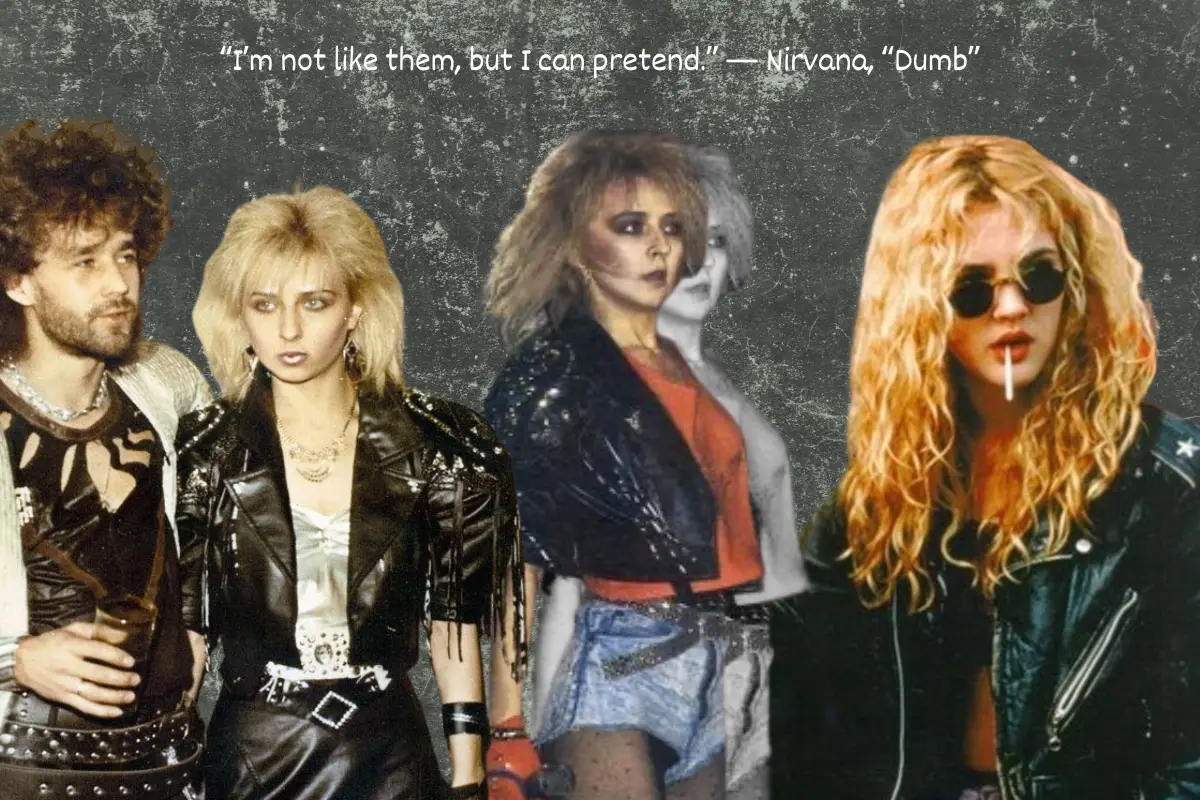
Grunge Clothing 101: What Defines the 90s Look? The grunge movement of the 1990s flipped 90s fashion on its head — replacing preppy fits and pristine silhouettes with oversized layers, torn hems, and a very intentional “I rolled out of bed like this” energy. At its core, 90s grunge fashion was rooted in rebellion. It came from the underground — a direct response to the shiny overproduction of 80s glam. It was messy. Raw. And it showed. From Seattle’s music scene to high school hallways, grunge clothing spread fast — thanks in part to rising icons in the alt-rock world. Suddenly, flannel shirts, ripped jeans, and combat boots weren’t just practical — they were powerful. They became the uniform for a generation that didn’t want to fit in. Grunge Aesthetic Grunge Aesthetic Grunge Aesthetic Grunge Aesthetic Grunge Aesthetic Grunge Aesthetic Grunge Aesthetic Grunge Aesthetic Grunge Aesthetic Grunge Aesthetic The original grunge look wasn’t polished. It didn’t follow trends. In fact, it rejected them. Think: oversized everything, thrifted layers, and a heavy dose of denim — worn with zero effort and maximum attitude. This shift in style marked the birth of what we now call the grunge girl aesthetic — equal parts tough, detached, and unbothered. (And no, it’s not just for moody teens. It’s a forever mood.) If you’re curious about where this entire aesthetic came from and what it stood for, the grunge mindset runs deep — and it’s way more than just clothes. Essential Grunge Pieces for Every Closet Building a 90s grunge wardrobe doesn’t have to be complicated. It’s not about copying a look — it’s about capturing the feeling. Messy. Careless. Confident. Here are the pieces that defined authentic 90s grunge fashion, and how to make them yours: Ripped Jeans & Denim The more destroyed, the better. Grunge clothing starts at the knees — blown-out denim, frayed hems, and faded washes were a staple in every 90s closet. Vintage Levi’s, oversized dad jeans, or even baggy cut-offs all bring the look to life. Try mixing in denim skirts or slouchy overalls for a softer take that still keeps that “I don’t care” edge. Baggy Ripped Straight Leg Pants AMAZON Click here Low Waist Baggy Jeans AMAZON Click here Oversized Flannel & Plaid One word: flannel. Possibly the most recognizable piece in grunge fashion, oversized plaid shirts were everywhere — worn unbuttoned over band tees, tied around the waist, or layered under leather jackets. These pieces pulled double duty: they were practical, but also gave the grunge look its signature laid-back attitude. If you’re exploring how these patterns evolved into today’s fashion scene, the grunge aesthetic draws a sharp contrast with polished styles like minimalist capsule wardrobes — and that’s exactly the point. HangNiFang Womens Flannel Plaid Shirts AMAZON Click here CHYRII Womens Button Down Flannel Shirts AMAZON Click here Combat Boots & Chunky Footwear Grunge girls don’t do dainty. Combat boots, especially Dr. Martens, became synonymous with the movement. The goal wasn’t elegance — it was power. Whether paired with a slinky dress or slashed-up jeans, these boots grounded the entire outfit. Can’t find the perfect pair? Chunky platforms or worn-in sneakers can channel a similar vibe — gritty and undone. ICHIGO Women’s Fashion Ankle Booties AMAZON Click here Jeossy Women’s 9620 Chelsea Combat Boots AMAZON Click here Band Tees & Layered Tops There’s something about a Nirvana tee that just hits different. Wearing your favorite band on your chest wasn’t a trend — it was a statement. Layer it under a thermal, over a mesh top, or tuck it into baggy pants. The more chaotic the layers, the better. Honestly, it can be as simple as pairing a thrifted band tee with worn-in jeans and not caring if your eyeliner’s a little smudged. The best grunge outfits kind of just happen — that’s the point. Grayce Nirvana™ T-Shirt – by Nirvana™ AMAZON Click here Retro Washed Short-Sleeved T-Shirt AMAZON Click here Leather Jackets & Distressed Details Grunge fashion never shied away from texture. Faux leather, vintage leather, cracked leather — it’s all fair game. The key is in the wear. Jackets should look lived-in, not fresh off the rack. Bonus points for zippers, studs, or tears. This is where the details matter: frayed edges, mismatched buttons, and visible stitching all add to that authentic 90s grunge fashion feel. American Trends Leather Jacket AMAZON Click here Faux Leather Textured Short Moto Jacket AMAZON Click here Grunge Girl Icons: Style Inspo from the 90s Before Pinterest boards and TikTok trends, we had Winona. Drew. Courtney. And Kurt. These weren’t just celebrities — they were the blueprint. When we talk about the grunge girl aesthetic, we’re talking about the women (and men) who didn’t follow fashion — they defined it by not caring about it at all. Winona Ryder Winona mastered the art of looking like she stole her boyfriend’s clothes and made them hotter. Think: oversized blazers, combat boots, dark lipstick, and that offbeat mix of polished meets punk. She embodied that quiet, moody edge that made her a 90s style icon. Drew Barrymore If Winona was soft grunge, Drew was full chaos. Baby tees, messy curls, chokers, mini skirts — she made grunge girly. And fun. Drew’s 90s style reminds us that grunge clothing doesn’t have to be masculine to be powerful. She wore red lipstick with ripped jeans and made it make sense. That’s a talent. Kurt Cobain Let’s be real — there is no authentic 90s grunge fashion without Kurt. The flannel. The cardigans. The chipped nail polish and thrift-store tees. He didn’t create grunge, but he lived it. And his off-duty look became the backbone of what we now recognize as the grunge look. Kurt taught everyone that vulnerability and rebellion could exist in the same outfit. And he made slouchy sweaters iconic. These icons didn’t dress for attention. They dressed for comfort, for defiance, and for themselves. Which is what made their looks so magnetic. If you’re into the beauty side